Understanding HDPE: What Makes It Ideal for Storage
High-Density Polyethylene (HDPE) is a widely recognized polymer characterized by its high strength-to-density ratio, making it an ideal material for various storage applications. One of the key properties of HDPE that elevates its status in the storage industry is its remarkable chemical resistance. This polymer can withstand a wide range of chemicals, including acids and bases, which makes it suitable for storing hazardous substances in industrial settings. Additionally, HDPE is less likely to leach harmful chemicals into the contents, ensuring safety for both consumables and non-consumables alike.
Durability is another significant attribute of HDPE. The material exhibits enhanced toughness, making it resistant to impact and capable of withstanding physical stresses during storage and transport. This robustness ensures that HDPE containers do not easily crack or break, even in challenging environments. Moreover, HDPE is lightweight, allowing for easy handling and transportation, yet it maintains the strength required for safe storage.
Versatility is yet another factor contributing to the popularity of HDPE in storage solutions. Whether for food storage in households or industrial containers, HDPE can adapt to a variety of applications. In food storage, for instance, its properties allow it to comply with strict health regulations, assuring users that products contained within are safe from contamination. Furthermore, HDPE is readily recyclable, which aligns with sustainability practices, making it an environmentally responsible choice.
Overall, its chemical resistance, durability, lightweight nature, and versatility make HDPE an exceptional material for storage purposes. This combination of features not only enhances its functionality but also reinforces the trust placed in HDPE products by consumers and industries alike.
Top Features to Look for in HDPE Bottles
When selecting HDPE (high-density polyethylene) bottles for storage, there are several critical features to consider that ensure the bottles meet your storage needs. One of the primary aspects is the size and capacity of the bottles. HDPE bottles come in various sizes, making them suitable for storing different volumes of liquids or solids. Choosing the right size can help prevent waste and ensure that the container is aptly suited for its intended use.
Another important feature is ease of use. This includes the design of spouts and lids. A well-designed spout can facilitate pouring without spills, while a secure lid can help in preserving the contents and preventing contamination. Some bottles also come with integrated handles that enhance portability and ease of handling, especially when dealing with larger capacities.
Equally significant is the effectiveness of the seal to prevent leakage. An effective seal not only prevents spills during transport but also keeps the contents safe from external contaminants. It is advisable to look for bottles with a reliable screw-on cap or snap-on lid that ensures a secure fit.
The transparency or opacity of HDPE bottles can also play a role in functionality. Transparent bottles allow users to easily monitor the contents, while opaque options can provide added protection from light, especially when storing sensitive materials. Additionally, the availability of different colors for categorization can enhance organization, making it easier to identify contents at a glance.
Lastly, it is crucial to consider BPA-free options, especially if the HDPE bottles will be used for food or beverage storage. BPA (Bisphenol A) is a chemical that can seep into food or beverages and poses health risks. Choosing BPA-free bottles contributes to the overall safety and integrity of the stored products while ensuring adherence to health guidelines.
The Best HDPE Bottles in the Market: Reviews and Recommendations
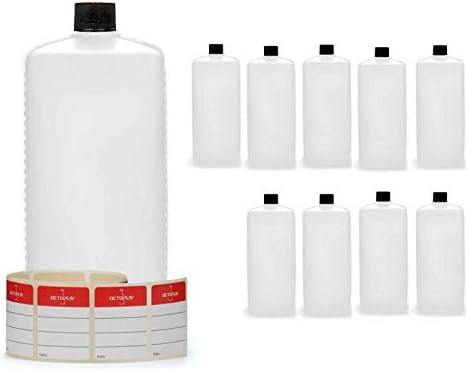
When it comes to choosing HDPE bottles for storage needs, understanding the options available is crucial. Various manufacturers offer a range of HDPE bottles tailored for different purposes, from food-grade storage to large industrial containers. Here are some of the top-rated options currently available on the market.
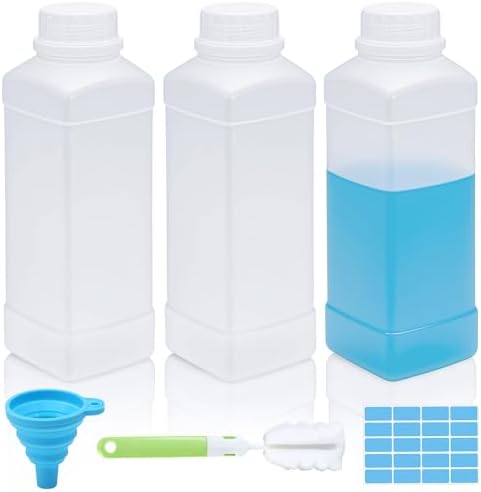
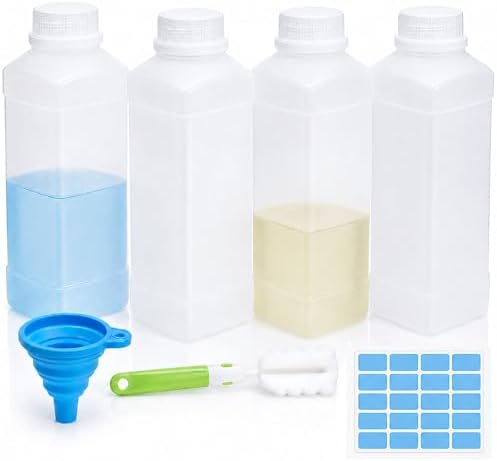
First, the Flexi-Seal HDPE Bottles stand out for their versatility. These bottles have a capacity ranging from 250ml to 5 liters and are ideal for both liquids and solids. Their strong, lightweight design makes them a popular choice for households and businesses alike. The wide mouth opening allows for easy filling and pouring, while the resealable cap ensures freshness and prevents leakage. Consumer feedback indicates high satisfaction levels regarding durability and usability.
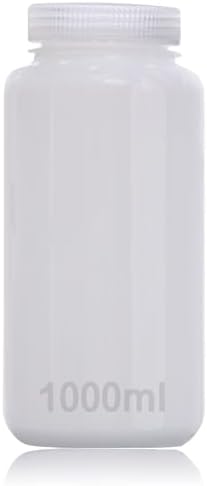
Another excellent choice is the HDPE Food-Grade Storage Bottles, specifically designed for food storage. These bottles comply with FDA regulations, ensuring safety for food products. With options like 1-quart and 1-gallon sizes, they are perfect for meal prepping, storing ingredients, or organizing items in the pantry. Users appreciate their clear markings for measuring and the ease of cleaning—features that enhance practicality.
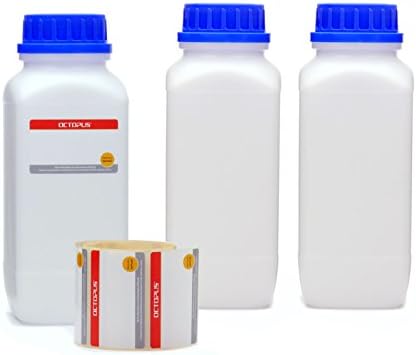
For industrial applications, the Heavy-Duty HDPE Containers are highly recommended. These robust bottles come in capacities upwards of 20 liters and are utilized for chemicals, cleaning solutions, and bulk materials. Their reinforced neck and tamper-proof caps further enhance security during transit and storage. However, potential drawbacks include their weight and need for additional equipment for handling due to size.
For those looking for convenience in personal use, Travel-Sized HDPE Bottles are exceptional. Compact and lightweight, they are ideal for carrying liquids like shampoo, lotion, or other essentials while on the go. Users emphasize their leak-proof design and ability to meet TSA requirements for carry-on luggage.
Each of these HDPE bottles offers unique strengths catering to diverse storage needs. Consumer ratings reflect a collective appreciation for their durability, safety, and functionality, making them worthy choices for both personal and industrial applications.
HDPE bottles are known for their durability and versatility, making them an excellent choice for various storage needs. Proper care and maintenance are vital in ensuring these bottles remain functional and safe for long-term use. Regular cleaning is the first step in maintaining these containers. It is recommended to wash them with warm, soapy water after each use. Avoid using abrasive cleaners or scouring pads, as they may scratch the surface and compromise the integrity of the bottle.
In addition to routine cleaning, it is essential to frequently check for signs of damage, such as cracks or deformities. This is crucial because damaged bottles can result in leaks or contamination of their contents. If any signs of wear are discovered, it is advisable to replace the bottle immediately to safeguard health and safety.
To prevent common issues such as fading or warping, HDPE bottles should not be exposed to direct sunlight or extreme temperatures. Ideally, they should be stored in a cool, dark place to minimize degradation. Furthermore, avoid overfilling the bottles, which can create pressure that leads to structural failure.
When it comes to recycling, HDPE bottles are highly recyclable, and it is essential to dispose of them in accordance with local recycling guidelines. Clean and empty bottles should be sorted to ensure proper recycling, as contamination can hinder the recycling process. Promoting environmental responsibility includes making the conscious decision to recycle rather than discard these recyclable materials.
In conclusion, the longevity of HDPE bottles can be significantly extended with simple yet effective maintenance strategies. By cleaning them regularly, checking for damage, storing them properly, and recycling when necessary, users can enjoy the benefits of HDPE bottles while contributing to environmental sustainability.