Understanding HDPE Plastic
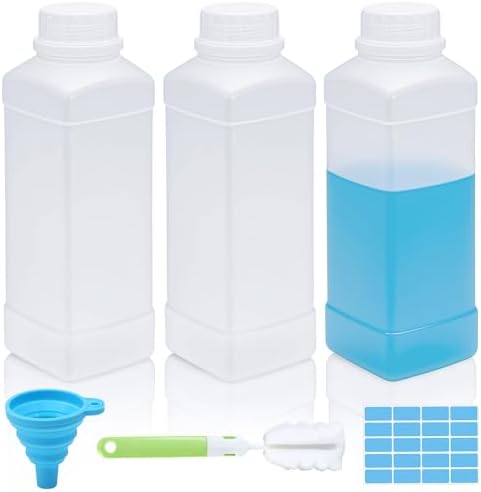
- 【5 Piece Wide Mouth Bottle Set】This set includes 3 semi-transparent 1000ml wide-neck bottles, a blue collapsible silicon…
- 【Excellent Leak Protection】This 1000ml laboratory bottle features a tamper-proof screw cap with a six-layer aluminium se…
- 【High-quality HDPE Construction】 This plastic bottle is made of food-grade high-density polyethylene (HDPE) for the body…

- Super lightweight yet strong and durable and totally leak-proof
- Loop top makes it easy to clip to your rucksack
- Marked with milliliters and ounces for easy measurement and lets you track hydration
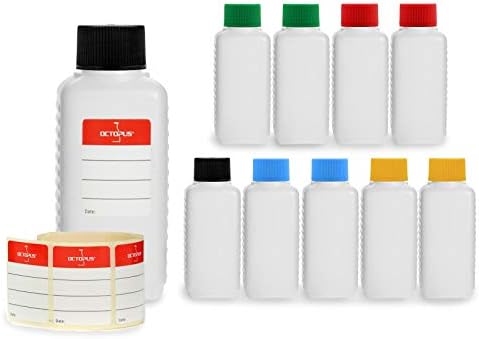
- 10x 100 ml empty plastic bottles bottles made of HDPE with 2 coloured caps in black, blue, red, yellow and green
- 100 % tightness and leakage safety through screw cap with inner cone
- Suitable for food, resistant to chemicals, odourless and tasteless

- Durable Plastic: These 500ml bottles are made from high-density polyethylene (HDPE), a sturdy and food-grade plastic.
- Versatile: With a natural colour and watertight screw cap, these bottles can store various liquids or solids safely.
- Convenient Size: The 500ml capacity offers ample storage space for household or commercial needs.
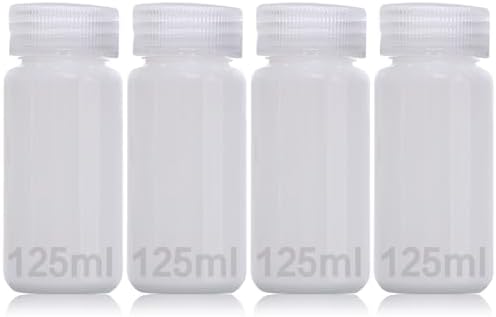
- Good seal: the wide-neck bottle of the 125 ml plastic bottle has a coarse thread with a screw lid and embedded sealing r…
- Material and performance: the laboratory bottle is made of high-quality polyethylene (HDPE), which is resistant to chemi…
- Capacity and design: the plastic bottle 125 ml, and the opening of the plastic bottle is wide, so it is easy to fill, cl…
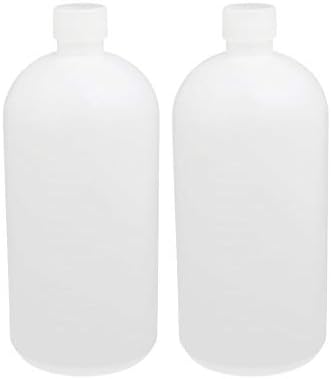
- Country of Manufacture: CHINA; Material: HDPE Plastic
- Net Weight: 151g; Package Content: 2pcs x Plastic Bottle
- Main Color: Clear White; Bottle Volume Capacity: 1000ml / 34oz
High-Density Polyethylene (HDPE) is one of the most widely used plastics in the world, known for its durability and versatility. Characterized by its high strength-to-density ratio, HDPE is made from petroleum, a process that involves the polymerization of ethylene. This thermoplastic is recognized for its ability to withstand considerable impact and maintain its integrity under various conditions. Its properties make it suitable for a diverse range of applications, from household items to industrial uses.
One of the distinguishing characteristics of HDPE is its resistance to chemicals and moisture, which ensures its reliability in demanding environments. Furthermore, its low-density structure contributes to its lightweight nature, facilitating easier handling and transportation. The material is also noted for its excellent tensile strength, making it an ideal choice for products that require durable and long-lasting performance.
In addition to its mechanical properties, HDPE is also favored for its environmental potential. This material is highly recyclable, allowing for its transformation into new products after its initial use, which significantly reduces the demand for virgin plastic production. Many HDPE products are marked with the recycling number 2, indicating that they can be processed and reused in various applications. This recyclability plays a crucial role in sustainability efforts, as it helps mitigate plastic waste in landfills and promotes the circular economy.
Moreover, the production of HDPE is often less resource-intensive compared to other plastics, contributing to its appeal among eco-conscious consumers and manufacturers. The combination of its strength, lightweight nature, chemical resistance, and recyclability makes HDPE a popular choice across various sectors, from packaging materials to construction components.
Common Household Uses of HDPE Plastic
High-density polyethylene (HDPE) plastic is renowned for its strength and versatility, making it a popular choice in various household applications. One of the most significant uses of HDPE is in the production of containers and bottles. Typically, these include milk jugs, detergent bottles, and food storage containers. The durability of HDPE allows these items to withstand physical stress during regular use, resulting in a longer lifespan compared to containers made from other materials.
In addition to conventional containers, HDPE is also widely utilized in kitchenware, including cutting boards, mixing bowls, and reusable food wraps. The non-porous nature of HDPE makes it resistant to retaining odors or stains, thus ensuring that kitchen items remain hygienic and easy to clean. Moreover, these kitchen products contribute to a healthier environment, as they can often be recycled without quality degradation.
Storage solutions are another area where HDPE excels. Many households employ HDPE bins and storage boxes for organization owing to their light weight but robust design. These containers can easily handle moist conditions and are not prone to rust or corrosion, making them ideal for both indoor and outdoor use. Furthermore, children’s toys manufactured from HDPE present another significant application. The safety features of HDPE make it an excellent choice for children’s products, as it does not leach harmful chemicals, ensuring a safer play environment.
With its myriad applications, HDPE plastic serves essential roles in everyday life, combining functionality with safety and longevity. This makes it an invaluable material in households globally, ensuring superior performance in a variety of common uses.
HDPE in Workplace Applications
High-Density Polyethylene (HDPE) is widely recognized for its versatility in various workplace applications, owing to its intrinsic properties that suit a multitude of industries. In recent years, its utilization has expanded significantly, particularly in packaging, construction materials, and manufacturing components.
In the packaging sector, HDPE is favored for its excellent strength-to-density ratio, making it ideal for producing bottles, containers, and other packaging materials. The lightweight nature of HDPE contributes to reduced shipping costs, thereby enhancing overall cost-efficiency. Additionally, its resistance to impact and ability to withstand environmental stress factors render it a popular choice for long-lasting packaging solutions. Furthermore, HDPE is recyclable, aligning with the growing emphasis on sustainability in packaging.
Within the construction industry, HDPE is employed to manufacture durable pipes, geomembranes, and other materials that require robust characteristics. The resilience of HDPE against moisture, chemicals, and UV radiation ensures that it retains structural integrity over time, thus supporting the longevity of construction projects. Its low coefficient of friction also makes it an ideal material for products such as liners and seals, which can further enhance the efficiency of construction processes.
Moreover, in manufacturing, HDPE is utilized to create intricate components such as gears, bearings, and casings. The process of injection molding allows for precise fabrication of parts that demand high-performance material properties. The adaptability of HDPE makes it suitable for diverse applications ranging from machinery components to various consumer products.
Overall, the use of HDPE in workplace applications is characterized by its cost-efficiency, strength, and resistance to adverse conditions. As industries continue to seek materials that combine practicality with sustainability, HDPE stands out as a reliable option that can address a wide range of professional needs.
Environmental Impact and Recycling of HDPE Plastic
High-Density Polyethylene (HDPE) plastic is widely recognized for its versatility and durability. However, it is equally important to consider the environmental ramifications associated with its use and disposal. HDPE is recyclable, and this feature plays a crucial role in mitigating the potential harmful effects on the environment. Recycling HDPE helps to minimize waste and lowers the demand for new raw materials, thus reducing the overall carbon footprint associated with plastic production.
The recycling process for HDPE typically involves collection, sorting, cleaning, and reprocessing of the material. Once collected, HDPE items are sorted by resin type and cleaned to remove contaminants. The cleaned HDPE is then shredded and melted down, allowing it to be remolded into a variety of new products. This closed-loop system not only reduces the volume of waste sent to landfills but also conserves energy and natural resources. For instance, recycling a pound of HDPE can save up to 75% of the energy required to produce new HDPE from virgin materials.
Additionally, products made from recycled HDPE, such as new containers, piping, and even textiles, show that recycled materials can be just as effective as those made from new materials. Encouraging the recycling of HDPE not only promotes sustainable practices within homes and workplaces but also plays a vital role in fostering a circular economy. As consumers, understanding the importance of recycling HDPE can lead to conscious decisions that further environmental benefits. By participating in recycling programs and properly disposing of HDPE products, individuals and businesses can contribute significantly to waste reduction efforts and promote a greener planet.